

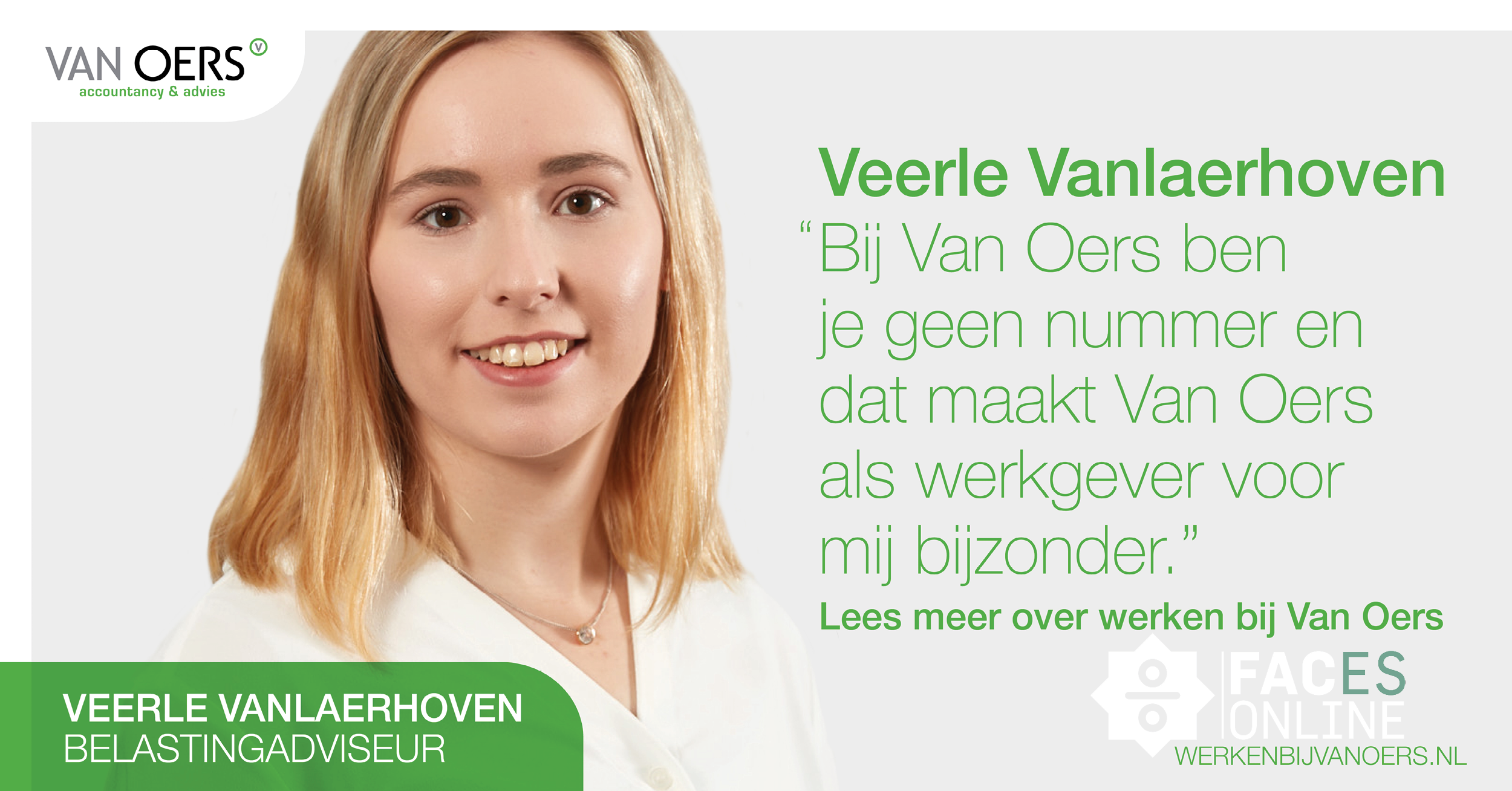
For the Dutch version, click here. Veerle Vanlaerhoven started working at Van Oers Accountancy & Advies in 2020 as a work student tax. After she completed her Master Fiscal Economics in 2022, she decided to continue working full-time at Van Oers as a Junior Tax Advisor. What made her choose Van Oers and how does she experience working at Van Oers? We talked to her. Difficult choices Choosing the right education doesn’t happen overnight, as Veerle found out. In high school she already had a strong preference for subjects such as Economics and Management & Organization. On the other hand, she was also interested in Law. In her fifth year of high school, she went to the open day at Tilburg University to look for an education in which she could combine these interests. Veerle: “I found the Business Economics program a bit too economic and the Law program a bit too static. Fiscal Economics was a nice balance of both and that’s actually how I ended up with the Fiscal Economics program.’ Fortunately, she found the choice for a work-study at Van Oers somewhat easier. On this she says, ‘I myself was born and raised in the region where Van Oers is located. Therefore, I was familiar with the company from childhood. During my studies, I also participated several times in the formal and informal activities of study association De Smeetskring, where Van Oers was also often present. When Van Oers employees then talked about the atmosphere within Van Oers, this immediately appealed to me. In addition, Van Oers has a nice and diverse client portfolio where the work is diverse and there is a lot to learn. That made me apply.’ A good balance ‘Brabant sociability is a term we often use at the office to describe the atmosphere. We work hard, but at the same time there is also plenty of room for a nice chat, a Friday afternoon drink, a good party or a sporting activity.’ She also names the close involvement with the customer and among each other as a big plus: ‘Even as a Junior, you are quickly given responsibility and are immediately a full member of the team. You get many opportunities and there is always someone ready to help. At Van Oers you are not a number and that makes Van Oers as an employer special to me.’ Sticking around After her Master’s, Veerle didn’t feel the need to look elsewhere. She feels right at home at Van Oers and gets plenty of opportunities. She is currently taking her NOB training and will soon start the Personal Development program. This allows her to continue to grow both professionally and personally. Is she planning to look elsewhere any time soon? Absolutely not. Veerle sees herself working at Van Oers for some time to come and hopes to make great strides: ‘I hope to be able to trade in the Junior position for the next step. I also hope to be able to develop myself even more in the tax world in order to help clients even better.’ Peaks and troughs Growth and development naturally comes with peaks and valleys. On this she says: ‘Fortunately, at Van Oers there is also room to make mistakes, as long as you are alert to them and come up with solutions. Besides, the highs win out over the low days.’ She finds it difficult to choose her favourite moment at Van Oers, but she does list a few: ‘the tax outings, the big Van Oers party, my first day as a tax graduate and receiving my first salary. Advice for students As her final advice to students, Veerle has, ‘Especially the atmosphere and the click you feel with a company is very important. The work or the customers at different companies are not going to make the difference. If the atmosphere is not good, you will also go to work with less pleasure. I also recommend that students do a work-study or internship in addition to studying to get a feel for the business world. But above all … still enjoy your student time!
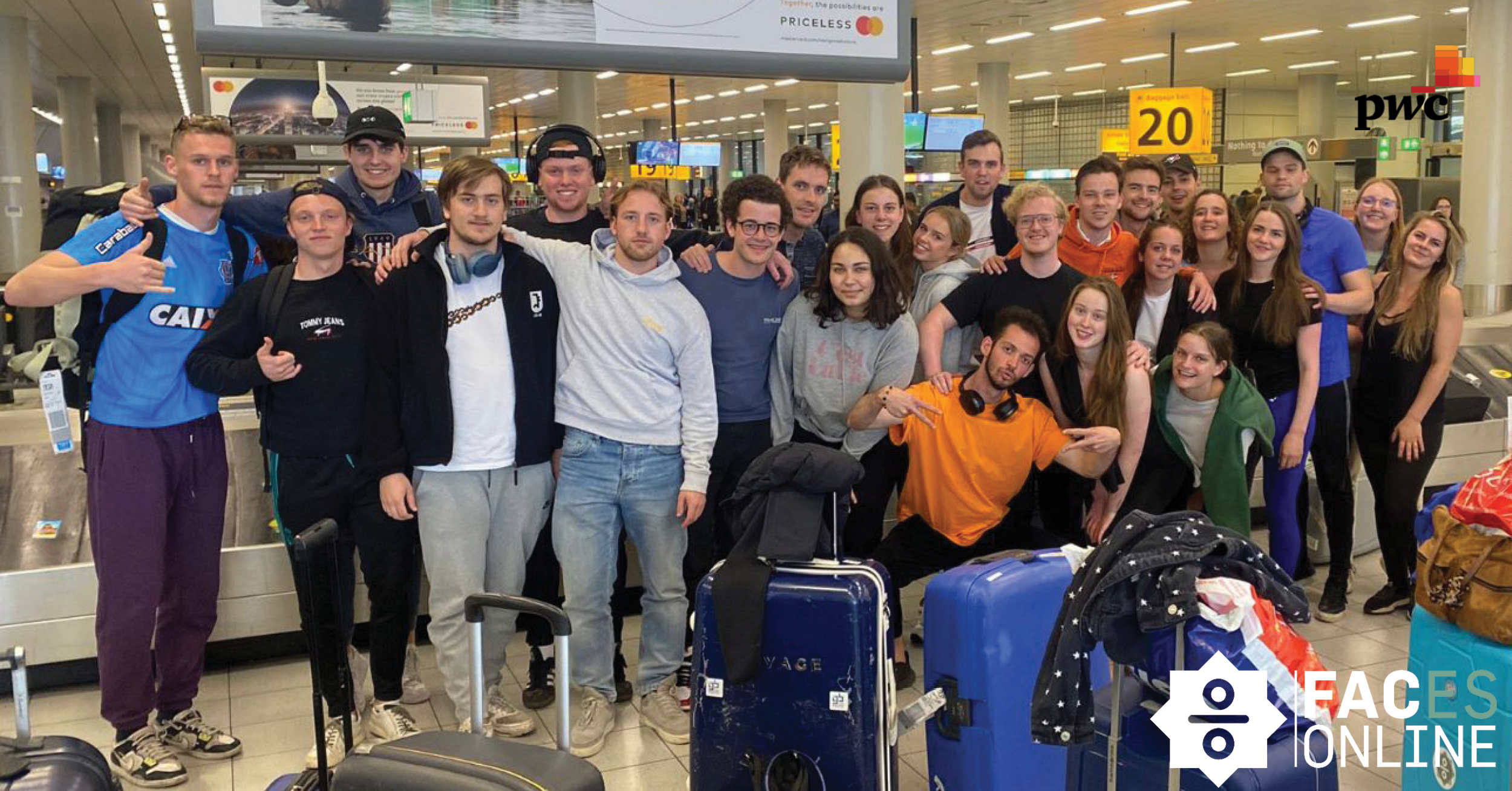
StudyTour 2023, Brazil: Looking back
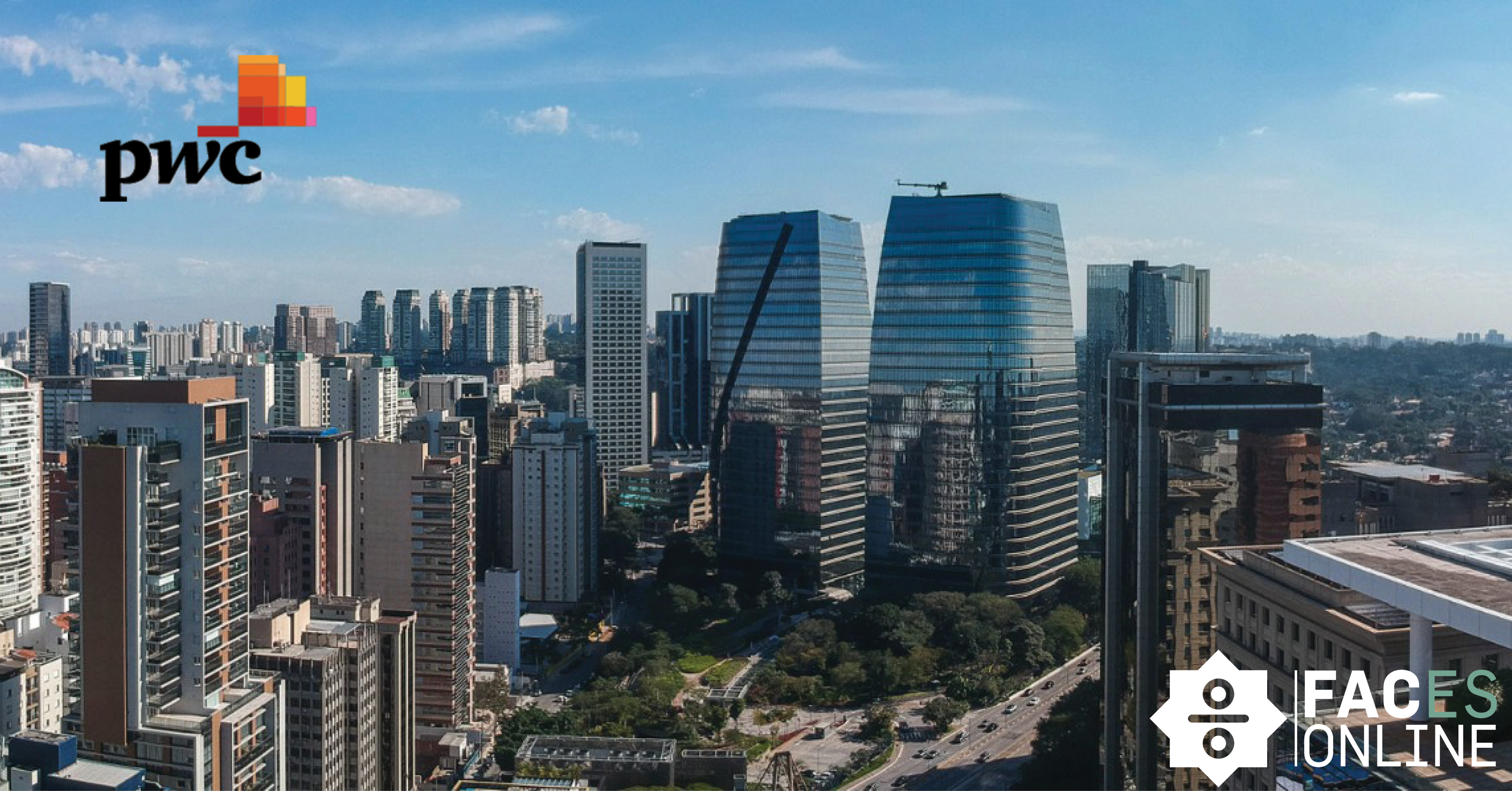
For the Dutch version, click here. On May 5, we gathered with our group of 25 people at Tilburg University. From here we would take the bus to Schiphol Airport where a plane would take us halfway around the world, because after all those years of Covid-19 and lockdowns we could finally go on our annual StudyTour again! In addition to the company visits, we thoroughly enjoyed the cultural and natural highlights that Rio de Janeiro and São Paulo had to offer. After arriving at the São Paulo Guarulhos airport, we were immediately confronted with the immensity of Sao Paulo. As we drove to our hostel we saw skyscraper after skyscraper, in addition we also saw the less beautiful parts of Brazil, as we also drove past some favelas while some cab drivers told us what to look out for during our stay in Brazil. After this, we arrived at our hostel in the northern part of São Paulo. During our first full day in Brazil, we immediately did some fun things, as we went all the way to one of São Paulo’s southernmost attractions. We did this via a 1.5-hour subway trip that cost us only 80 cents per person and took us to the famous F1 circuit: Autódromo José Carlos Pace. There we watched both the free practice of a GP and the Sao Paulo cup karting race. We also had lunch there, where we walked over a buffet and paid a certain amount based on the weight of your plate (something quite normal in Brazil). After this, we walked through one of the wealthier areas in Brazil that led us to a large lake where we sat on the waterfront with some caipirinhas, local beers and live music. The next day we would see a completely different side of São Paulo and understood why the cab driver had warned us. After arriving in the old city center, we immediately caught sight of all the homeless people there to collect their free meal for the day. Since there was a somewhat less pleasant atmosphere here, we quickly walked on through the neighborhood. While walking, we came across a large skyscraper with a viewpoint over the city, and upon arrival on the 26th, we were again confronted with the immensity of the city. Skyscrapers were visible as far as the eye could reach! After satisfying ourselves with lunch while enjoying this view, we visited the Minhocas closure, a highway that is closed to motor traffic every Sunday, so that the population (and mostly tourists) could travel on it and admire the city from a different perspective. We ended the evening at a restaurant called Bar Brahma where we had a delicious meal. The following days had more free time planned for the participants, where they went in different smaller groups to different places, such as local shopping malls, neighborhoods with lots of street art, beautiful parks, and other fun sights. We also had some simple formal activities, and organized a fun evening with a games tournament that we christened the “buddy games” and finally left for Rio de Janeiro by night bus when it finally showed up after a 3-hour delay. When we arrived in Rio de Janeiro, we immediately recognized a city that was very different from Sao Paulo in terms of culture and nature. The city was much prettier and greener, and much more centered around the waters there, so it naturally attracted many more tourists. After checking into the apartments, we immediately began our planning as we headed to FGV Ebape, a smaller university in Rio. After a brief presentation about the university, a quick tour of the buildings, and a discussion about ESG in Brazil, we headed back to Copacabana for dinner and finally to bed early as the ride on the night bus had taken its toll on the sleep of the participants. The next day would begin with another formal activity as we had an additional university visit at the Pontifical Catholic University of Rio de Janeiro. After most spent the afternoon at the beach as the weather was lovely, we made our way to Sugarloaf Mountain with the whole group towards the end of the afternoon, to enjoy the beautiful view this gave over the city and the bay with the sunset. We started Saturday with a great tour of downtown Rio de Janeiro. During this tour we visited all kinds of beautiful places like the famous Selaron steps, the city’s cathedral, the city’s oldest park and several other highlights and historical sites. Also, at each point our tour guide managed to tell us interesting stories about the city that belonged to the locations where we were at that time. On the same day, we also visited a soccer match between Rio’s Fluminense and Cuiaba and enjoyed the atmosphere of the bustling Maracanã stadium (the same stadium where the 2014 World Cup final was played). The evening ended fairly split, where some decided to go to sleep in time, and some decided to explore Rio’s nightlife at one of the larger local clubs. Sunday started the day again nice and early with a nice boat ride across the Guanabara Bay where Rio de Janeiro is located, where we could enjoy some drinks and the beautiful view of the city from the perspective of the sea. After we were able to rejoice some of the participants with some solid ground under their feet again, we made our way with the group to a nice beach bar that we had picked out in advance. Here we all had a delicious meal and made our way bit by bit to the beach we were right next to to try the water. After spending some time here and enjoying the wonderfully warm water, we decided to make our way to a nearby beach where apparently the most beautiful sunset in the world would be visible. Unfortunately, we found out too late that we had gone

State of Dutch Startup Ecosystem
For the Dutch version, click here. Success of the dutch ecosystem The dutch startup ecosystem has been steadily growing over the previous 5 years. Currently the Netherlands has 1.4 unicorns – private companies exceeding a €1 Billion valuation – per million citizens, placing itself fourth in the world after the UK (1.7) and in front of Germany (0.7). This success has been mainly driven by both the fintech and healthtech sectors within the Netherlands, boasting a scaleup ratio of 38% and 31% respectively. This reflects a greater success rate within these sectors compared to others. In the future, the greatest potential of Dutch startups lies within the deeptech sector. Commonly, technologies such as photonica, robotics, and quantum computing are included under the definition of deeptech, characterized by both taking a long time until commercialization and being capital intensive ventures. These startups are driven by the researchers at Dutch universities and are an example of the great societal value of these institutions. While the Dutch startup ecosystem has a lot to boast about, a great amount of potential is left on the table due to challenges with regards to access to capital and talent, but also a nationally interconnected community. Lacking Capital The main challenge for Dutch startups is a lack of capital. Compared to its peers, the Netherlands has less funding available per startups. E.g. both the UK and France have almost triple the funding available per startup. While capital alone does not make a startup successful, capital allows talent to become successful and scale their startups. This is especially true for startups within the deeptech sector, often needing funding in the hundreds of millions and years until turning break-even. They therefore need investors with patience and deep pockets, which currently are lacking within the Dutch ecosystem. Currently these types of investors can be counted on one hand, e.g. BOM, Invest-NL and Innovation Industries. While these set a great example, others are yet to follow. One cause for this is the limited allocation of funds to VC by Dutch pension funds. Dutch pension funds are the largest in the world yet invest a negligible amount into Dutch VC, while in contrast, the Nordic pension funds are smaller yet are consistently investing more into VC. If the Dutch startup ecosystem wants to reach it’s potential, the Dutch pension funds will have to step up their game. Talent At the moment, the Dutch startup ecosystem features multiple challenges regarding talent. First, attracting talent remains the main bottleneck for startups. Often job openings stay open for more than 60 days, and the percentage of hard to fill jobs keeps rising. Secondly, female founders remain rare within the startup ecosystem in general, but the Dutch ecosystem sees even less female founders compared to other EU countries. Lastly, too few employees of successful tech companies are founding their own startups or funding the next generation of startups. The challenges may be the result of a risk-adverse mindset of Dutch citizens, often choosing the safer options compared to other cultures. However, there is more at play. When looking at capitalization tables of Dutch startups, we see that foreign investors own more equity within Dutch startups resulting in a lower share for both the founders and employees of the startup compared to American startups. As a result, more capital flows out of the ecosystem leaving little for reinvestment, but more importantly Dutch startup employees enjoy very little of the profits of startups, removing any incentives for risk taking within the ecosystem. Community In the Netherlands, there is already a large amount of institutions ready to support the startup ecosystem. On a national level, Techleap supports the ecosystem as a whole, including collaborating with the government to make changes to it’s startup policy. Regionally, development agencies such as the Brabantste Ontwikkelings Maatschappij can be found, who provide government funds to both startups and VC funds, acting as a pillar within the region. Futhermore, there are collaborations such as Braventure, who try to connect the community within the region. However, the Dutch startup ecosystem is still too fractured. Each startup community is centered around the local universities, allowing access to the talent pools of these universities, but each communities remains too focused on their own region. There is too little collaboration between each region, and despite the small size of the Netherlands, other startup hubs seem too far away to work with. Once again this may be due to the Dutch culture, but for the Dutch startup ecosystem to thrive, we need strong connections between each region. This will have to start with collaborations between universities which allow students to make connections outside of their own university, which would disrupt the fractured nature of the Dutch startup ecosystem. Looking Forward All in all, the Dutch startup ecosystem faces major challenges in both available funding and talent, however it shows a great potential for growth and success. In the near future, policy changes learning from our peers in Sweden, the UK and Isreal will allow us to bridge the gap towards them. However, we will need a change in mindset, including risk taking, sharing profits with employees, and giving back to the next generation of startups in capital, knowledge, and experience to truly enable the potential of the Dutch startup ecosystem.
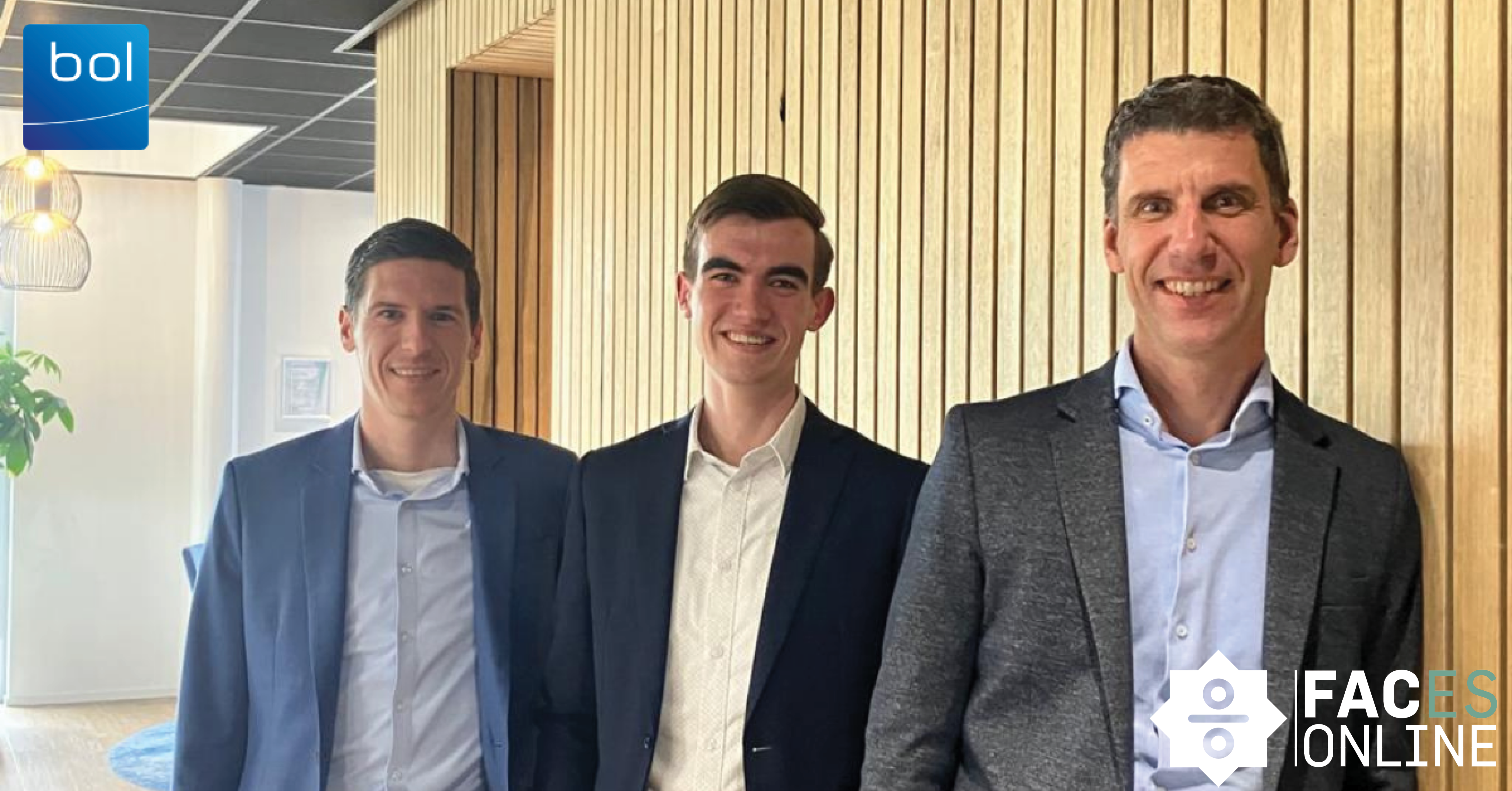
Working at Bol Advisors
For the Dutch version, click here. At Bol the fraud risk sensors are always on Imagine: one of your customers has a branch outside Europe. An audit reveals that the accounts do not comply with local laws and regulations. External suppliers have made a mess of their accounts. This could mean hefty fines for your audit client, amounting to hundreds of thousands of euros. Now what? Exciting? Not for Harm Thielen anymore. As control manager of Bol Adviseurs, he always has his fraud risk feelers on. Which is just as well, as in the case we described in the introduction: “When we discovered that our customer’s suppliers did not have their administrative affairs in order, we immediately went to investigate. What exactly is going on? How serious is the fraud threat? Was our client aware? If not, should he have been? And, perhaps most importantly: how do we ensure that he still meets his legal obligations?” Relieved In this particular case, Harm and his colleagues connected with a local tax advisor. He confirmed our suspicions: this was fraud. Ignorant admittedly (because the Dutch party was not aware), but the risk of sky-high fines was high. “It would involve tons,” Harm explains. “As an entrepreneur, you’re obviously not waiting for that. We reported our findings to the tax authorities and still paid the amount due. And the customer? He was initially surprised, but also relieved and happy. He experienced the incident as a confrontational revelation.” Audit approach to fraud risks Accounting firms have been required to report on fraud in the audit reports for statutory audits since 2022. In the report, the auditor explains the fraud risks he has identified that could potentially lead to “a material misstatement. He also provides an explanation of the audit procedures and observations made. Mandatory topics are revenue recognition and management override (this occurs, for example, when management breaks its own rules). Transparency “Situations where fraud is suspected are now being ‘disclosed’ through the audit report,” says compliance officer Harold Bruins. “They prove that the fraud risk paragraph in audit reports can be particularly useful. In addition, fraud interviews with clients provide valuable insights. You get a better understanding of the company and you get to know the executives better. The latter, the contact with the client, I find a valuable aspect of our profession. Files are important, but serving clients together with a team of colleagues is what you do it for.” “Files are important, but serving clients is what you do it for.” – Compliance officer Harold Bruins Dynamics of the profession Harm agrees, as does assistant accountant Robin Vreeswijk: “Of course, we often sit behind our laptops, recording our findings in files. But that’s not all. Interacting with colleagues, getting to know clients, investigating cases – that, to me, is the dynamic of the profession.” Harm adds: “Every colleague has a different background and expertise, but we also have a lot in common. We all like to figure things out. It doesn’t matter how complex the financial puzzle is; we keep going until we figure everything out. Getting to a great result together with the client is never boring.” “No matter how complex the financial puzzle is; we keep going until we have figured everything out.” – Controller Harm Thielen About Bol Advisors Bol Adviseurs is an entrepreneurial consulting firm that assists and advises companies on sound business management. The company’s control branch is mainly active in medium and large enterprises (with annual sales up to approximately 750 million euros). Bol Adviseurs has five offices: in Wijchen, Veghel, Venray, Boxmeer and Venlo. Bol Adviseurs employs about 220 employees. Development opportunities Robin joined Bol Adviseurs several years ago. In a short time he climbed from junior assistant accountant to the position of assistant accountant. “A logical route,” he explains. “If you want to grow, there are plenty of opportunities here. Of course, you have to be proactive. If you do and share your dot on the horizon, Bol Advisors will help you shape a development plan. My own dot on the horizon? To become an audit manager, to eventually advance to accountant.” “If you share your dot on the horizon, Bol Adviseurs will help you shape a development plan.” – Assistant accountant Robin Vreeswijk Table Football Incidentally, hard work and relaxing go hand-in-hand at Bol Advisors. Robin: “It is very pleasant here, no matter which office you work in. We enjoy working, but there is also time for relaxation. For example, during the break the soccer table is a favorite.” Bol Advisors also organizes regular activities and outings, such as the summer BBQ, a Christmas dinner and Friday afternoon drinks. “Bol existed in 2022, 70 years. To celebrate this anniversary, we took all 220 colleagues on a weekend to make Rotterdam unsafe,” Harold laughs. “No kidding: the atmosphere at Bol is businesslike, but informal. We work hard, but we do it together, with each other.” Harm sums it up nicely: “If you like dynamics, this is the place to be. We are a professional, but cozy company that is in full swing and where you can’t really avoid the challenge and development opportunities. That makes me feel perfectly at home here for the time being.”
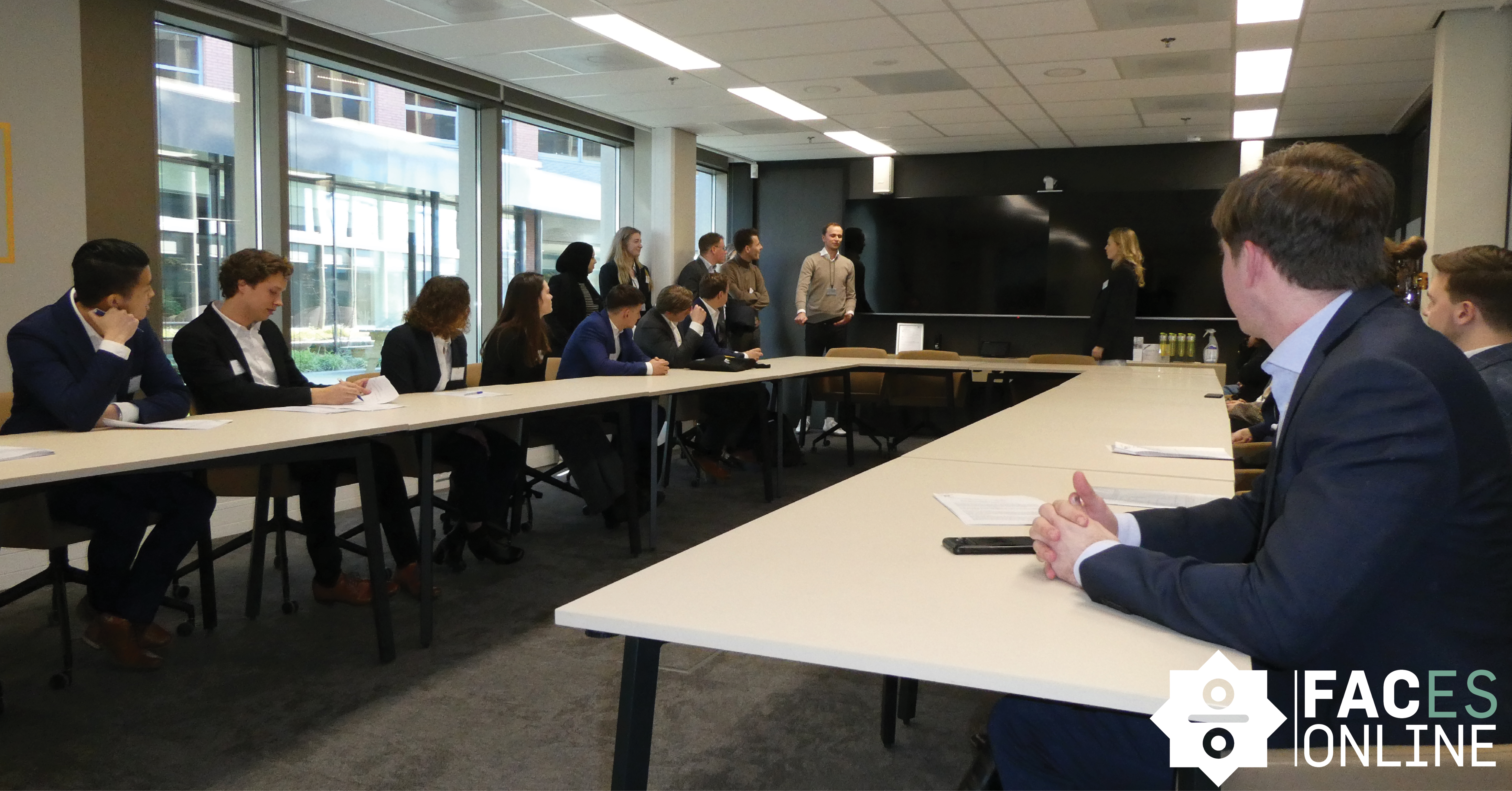
Accounting Expedition 2023: Looking back
For the Dutch version, click here. On March 1 and 2, 2023, the Accounting Expedition took place. This event allowed a large group of motivated students to visit the Big Four in Accountancy. This way they could discover if a future as an accountant was for them and if so, which firm of the Big Four appealed to them the most. EY On Wednesday morning Ernst & Young, better known as EY, was allowed to kick off the Accounting Expedition. We received a warm welcome at their office, a ten-minute walk from Eindhoven station. There we were welcomed by campus recruiter Lisanne and her colleagues. During the opening, the question “What is your favorite series/movie?” quickly caught our attention. As it turned out, this partner had pretty much played Netflix and thus knew a lot of series. So besides hard work there is definitely time left to relax by watching a good series, was the conclusion. Then we moved on to an audit case. A case that consisted of detecting fraud. We were allowed to request documents and invoices from four different employees of ‘Wokking Good’ in order to discover who had committed the fraud. An even more important question was ‘how was this fraud actually committed?’ In the end, it turned out that the administrative assistant had transferred amounts to her own account. We concluded with a delicious lunch where we had the opportunity to talk to employees for the last time about auditing at EY. KPMG The second office on the first day was scheduled to be KPMG, less than a five-minute walk from EY. There we were warmly welcomed by campus recruiter Thijn and his colleagues and given a presentation about KPMG. There we learned what the opportunities are and what KPMG is all about. A partner also joined us who told a very interesting story about his career in America. When we were saturated with theoretical information about KPMG, we could get started with the case. In this we were allowed to analyze several transactions from an Excel database. From this database we then had to derive transactions that were fraudulent. Here we learned that there were all kinds of metrics and theories that could classify transactions as fraud. We ended the evening in the center of Eindhoven with a well catered dinner. Here we had the opportunity to speak with KPMG employees in a relaxed manner for the last time. Thus, after dinner the first day came to a formal end after which we, together with the participants, concluded the day at the hotel with a small drink. PwC After breakfast at the hotel we were ready for departure. This time PwC was on the program where we could almost roll from the hotel. It was very easy to reach because of its location near Eindhoven train station. In the morning we were welcomed by the campus recruiter Carmen and her colleagues on the top floor of the office. Here we first got a presentation about PwC and what the possibilities are within PwC. We also started with a tour of the office, which was certainly not disappointing. After we had finished the introduction round and the presentation, we could get to work on the case. The case we had to sink our teeth into was about a festival organization. The organization had several problems that needed to be dealt with and it was up to us to solve this as well as possible. For example, one of the questions was “how do you value tickets that each board member gets to give away to family?” or “how do you deal with criticism from local residents and what financial impact does this have on the organization of the festival? After we completed the case, it was time for lunch in town. Here we were just barely buried under the delicious food. All in all, a very successful case and lunch! Deloitte As the last office, Deloitte got to conclude the Accounting Expedition. When we left PwC, cab vans were soon ready to take us to Deloitte as it was unfortunately not within walking distance and public transport was on strike that day. We were well received by the campus recruiter Emily and her colleagues after which we could start with the presentation about Deloitte. Here we learned what is possible at Deloitte and what kind of employees work at this firm. Fortunately, there was no heavy audit case on the program here, but a Business Chemistry test. This reminded us of the DISC test: a personality test based on four colors. Red stands for direct and decisive (“Dominance”). Yellow stands for interactive and inspiring (‘Influence’). Green stands for stable and social (‘Steady’). And finally, blue stands for conforming and correct (‘Conscientiousness’). In this way we found out, through various tests, which personalities we had and in what way you can best cooperate with other personalities. Teamwork makes the dream work’ is an appropriate saying. In this way it also became clear that neurodiversity is highly valued at Deloitte. We ended the day with a well-cared-for dinner at eating café Spijker! So with this last dinner at Stratumseind, the Accounting Expedition 2023 came to an end! The train to Tilburg left late in the evening, after which we were back in what could be called the most beautiful city in the country. We would like to thank all participants, recruiters, employees and the organization for a wonderful edition of the Accounting Expedition. We therefore hope that this event provided new valuable insights to the participants and they are a step further in their career choice!
